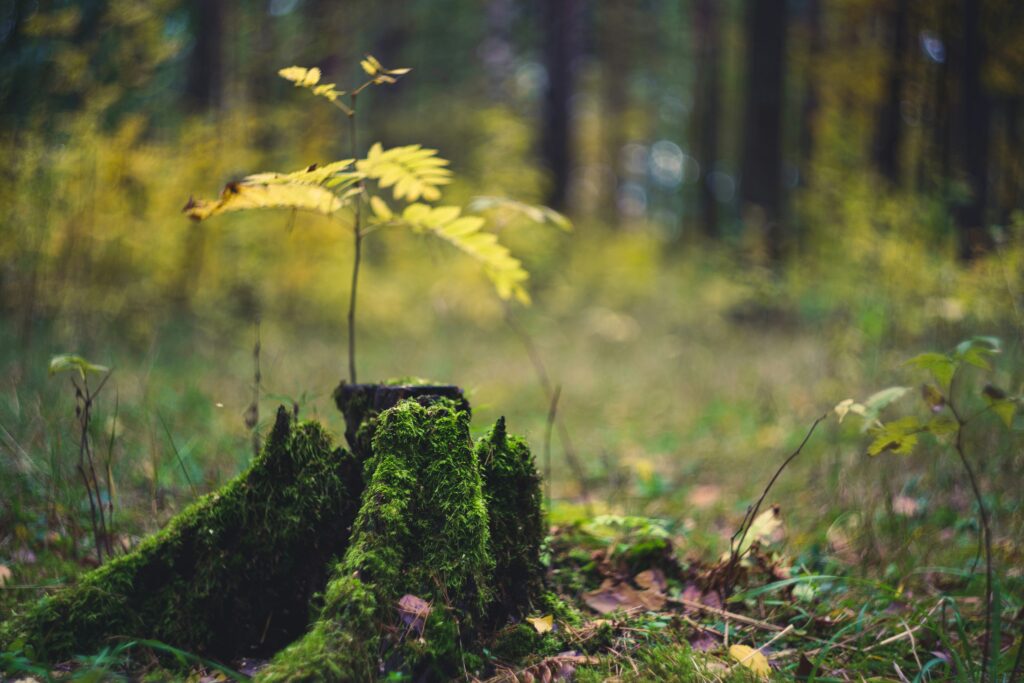
Every fall, trees shed their leaves in a brilliant burst of color — a breathtaking display that also hides a deeper ecological truth. To the untrained eye, fallen leaves may seem like nature’s litter. But in reality, they are a masterclass in zero waste living.
Leaves don’t go to waste. They are recycled into the very soil that nurtures the tree for another year. In this process, nature shows us how to live with purpose, reuse what we have, and give back more than we take.
🌱 Nature’s Zero Waste System
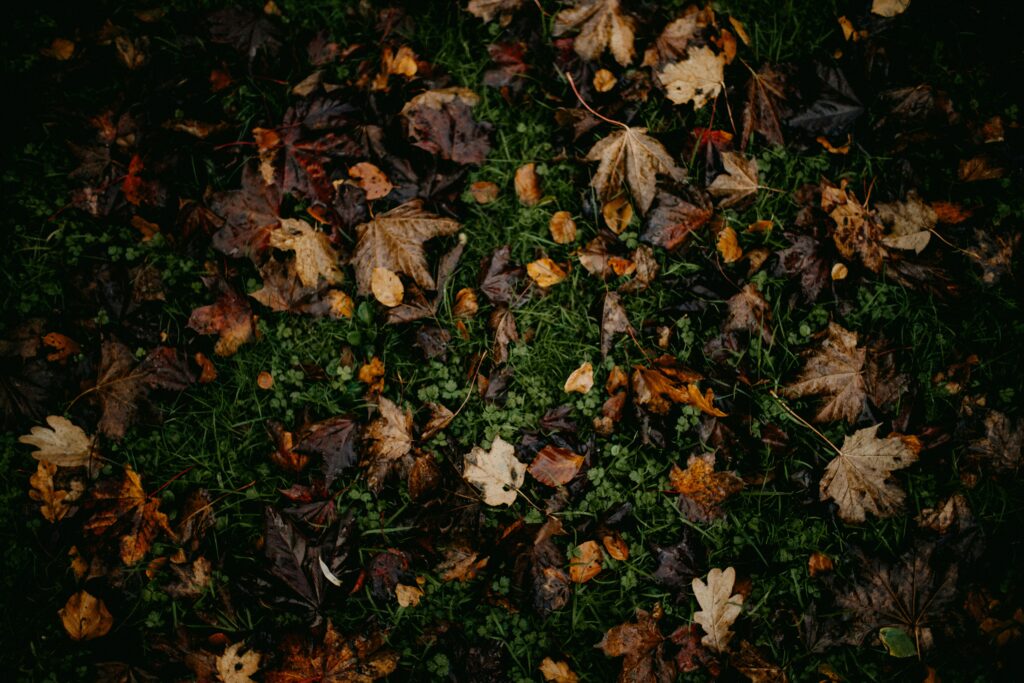
In a forest, when leaves fall to the ground:
- They decompose naturally
- Microbes, insects, and fungi break them down into nutrient-rich humus
- Humus nourishes the soil, feeding trees and plants in the next growing season
This cycle requires no bins, no trucks, no energy-hungry factories — just time, biodiversity, and balance.
🔁 The Leaf Cycle and the Circular Economy
Leaves perfectly embody a closed-loop system, where waste becomes a resource:
- Nothing is discarded
- Everything has a function
- Decay leads to new life
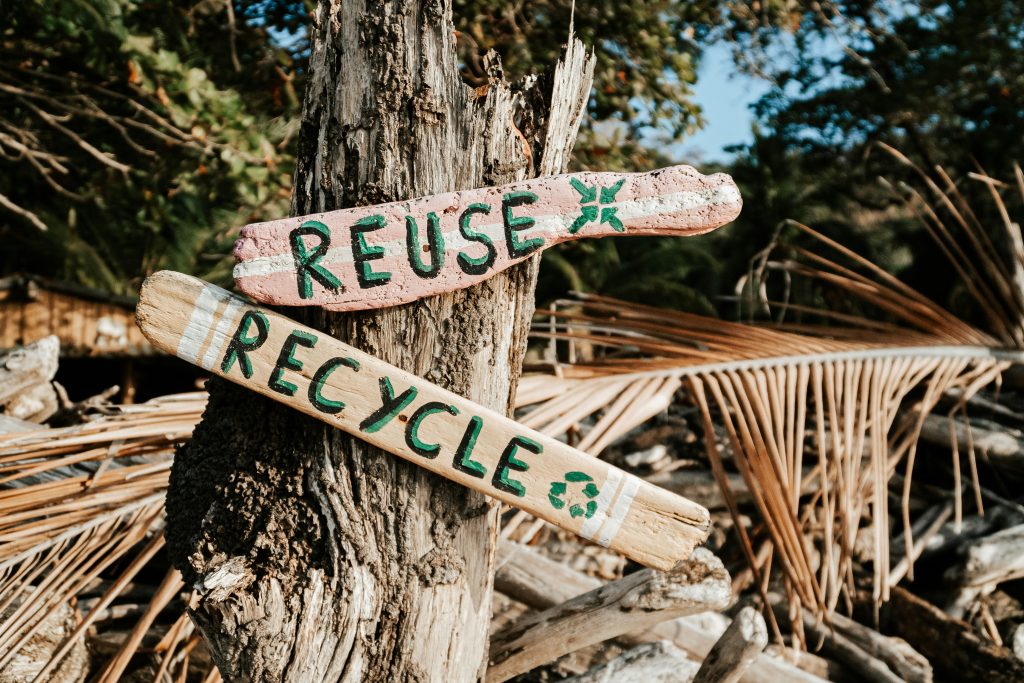
This mirrors the circular economy, a model embraced by sustainable designers and environmentalists. Instead of “take-make-dispose,” we shift to reuse-repair-recycle.
🍃 What Leaves Can Teach Us About Zero Waste Living
- Let Go of the Unnecessary
Just as trees shed what they don’t need before winter, we can simplify our lives by letting go of excess possessions, habits, or wasteful practices. - Compost Everything You Can
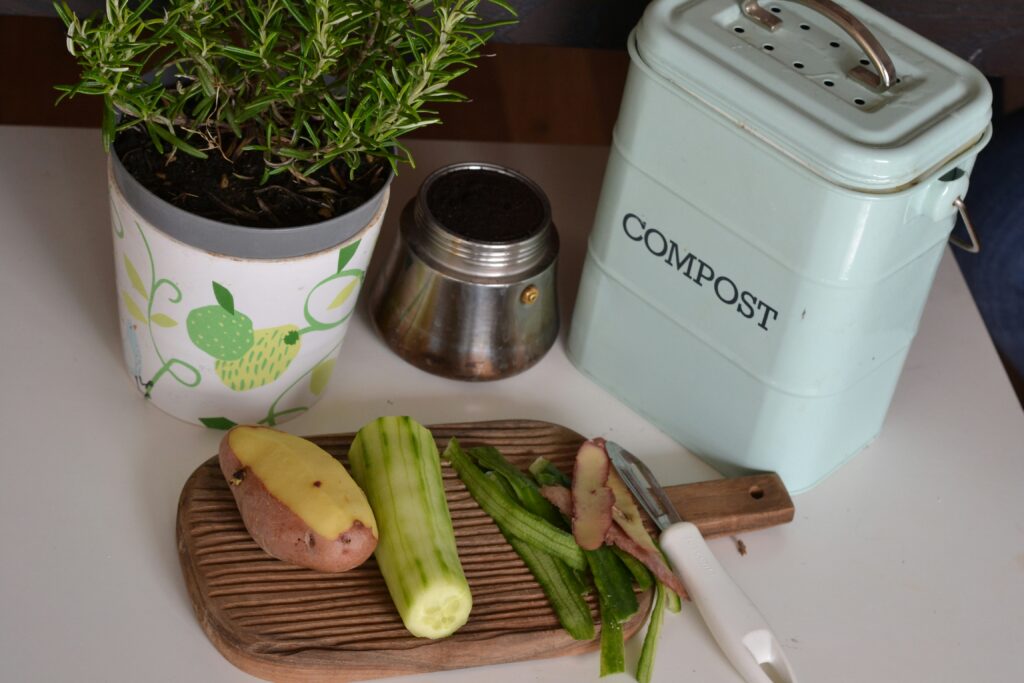
Leaves remind us that organic material is never waste — it’s food for the earth. Composting food scraps, paper, and yard waste closes the nutrient loop at home. - Give Back to the System
Leaves don’t just fall — they serve a purpose beyond themselves. What if we viewed our “waste” as something with potential value? - Slow Down and Observe
Leaves take time to break down. In that slowness, there’s richness. Zero waste isn’t just about action; it’s about rethinking how we live.
🌎 Zero Waste in Practice: Inspired by Nature
Want to bring this leaf-inspired wisdom into your daily life?
- Skip plastic bags – use cloth or biodegradable alternatives
- Create a backyard compost – even a small pile of scraps makes a difference
- Use natural mulch – fallen leaves enrich gardens and flowerbeds
- Buy in bulk and refill – reduce packaging waste
- Choose items with end-of-life in mind – consider what happens when you’re done with it
🧘 A Mindset Shift
Zero waste living isn’t just about reducing garbage. It’s about living in harmony with the cycles of nature.
Leaves don’t force anything. They fall when it’s time, nourish what’s around them, and become something new — without struggle.
We too can move toward a lifestyle that is simpler, more circular, and deeply sustainable — one habit, one leaf, one season at a time.
Next time you see a pile of fallen leaves, don’t think of them as debris. Think of them as teachers. They show us that nothing needs to be wasted, and everything — even the discarded — can have beauty, purpose, and value.
🔬 The Science Behind Leaf Decomposition
The process of leaf decomposition is a fascinating natural phenomenon involving a complex community of organisms. When leaves fall, they become a food source for microbes such as bacteria and fungi, as well as insects and earthworms. These decomposers break down the tough cellulose and lignin in leaves, transforming them into humus — a rich, dark organic material that improves soil structure and fertility.
Fungi play a crucial role by secreting enzymes that digest complex compounds, while bacteria further break down the simpler molecules. Earthworms aerate the soil and mix organic matter, speeding up decomposition. This biological teamwork ensures nutrients are recycled efficiently, supporting plant growth and maintaining ecosystem health.
Understanding this science helps us appreciate why composting leaves and organic waste is so beneficial for gardens and the environment.
🏡 How to Start Your Own Leaf Compost
Creating a leaf compost pile at home is a simple and rewarding way to recycle organic waste and enrich your garden soil. Here’s a step-by-step guide:
- Choose a Location: Pick a shady, well-drained spot in your yard.
- Gather Materials: Collect fallen leaves, kitchen scraps (vegetable peels, coffee grounds), and yard waste.
- Shred Leaves: Chop or shred leaves to speed decomposition.
- Layering: Alternate layers of green materials (kitchen scraps, grass clippings) and brown materials (leaves, straw).
- Moisture: Keep the pile moist but not soggy.
- Turn Regularly: Aerate the pile every few weeks to provide oxygen.
- Wait and Use: In a few months, the pile will turn into dark, crumbly compost ready to nourish your plants.
Starting your own compost reduces landfill waste and closes the nutrient loop in your home ecosystem.
🚧 Zero Waste Challenges and How to Overcome Them
Adopting a zero waste lifestyle can be challenging. Common obstacles include:
- Convenience of Single-Use Items: Plastic bags, disposable cups, and packaging are everywhere.
- Lack of Infrastructure: Not all areas have composting or recycling facilities.
- Social Norms: Zero waste habits may feel unusual or inconvenient in social settings.
- Initial Time Investment: Learning new habits and setting up systems takes effort.
To overcome these challenges:
- Start small with easy swaps like reusable bags and bottles.
- Educate yourself and others about the benefits.
- Connect with local zero waste communities for support.
- Advocate for better waste management infrastructure.
- Be patient and celebrate progress, not perfection.
Remember, every small action contributes to a larger change.
🌟 Stories from Zero Waste Practitioners
Many individuals and communities have embraced zero waste living with inspiring results. For example, Bea Johnson, author of “Zero Waste Home,” reduced her family’s waste to a single jar per year by adopting mindful consumption and composting.
Communities like Kamikatsu in Japan have implemented rigorous waste separation and recycling programs, achieving over 80% waste diversion from landfills.
These stories highlight that zero waste is achievable and impactful, inspiring others to join the movement.
🌿 The Role of Indigenous Knowledge in Zero Waste Living
Indigenous cultures worldwide have long practiced sustainable living aligned with zero waste principles. Their deep respect for nature, cyclical thinking, and resourcefulness offer valuable lessons.
For example, many Indigenous peoples use every part of a plant or animal, ensuring nothing is wasted. Traditional ecological knowledge emphasizes balance, reciprocity, and stewardship — concepts central to zero waste.
Incorporating Indigenous wisdom into modern sustainability efforts enriches our understanding and fosters more holistic environmental care.