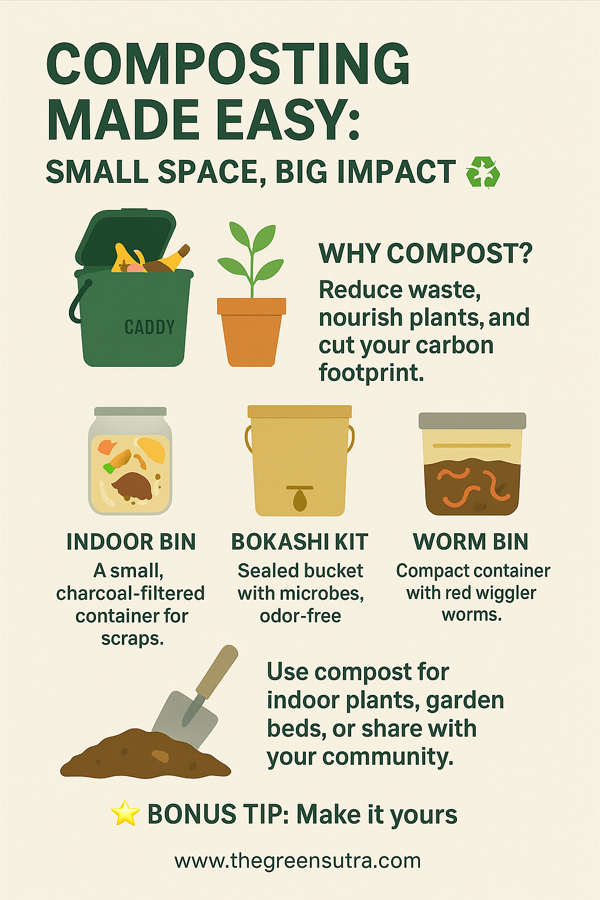
Composting isn’t just for gardeners with big backyards—it’s for anyone with a windowsill, balcony, or under-sink space. In this guide, you’ll learn how to start composting at home using simple methods like indoor bins, Bokashi fermentation, and worm farms. Whether you’re in an apartment or a house, composting is one of the most impactful ways to reduce waste, nourish the Earth, and reconnect with nature.
♻️ Why Composting Matters
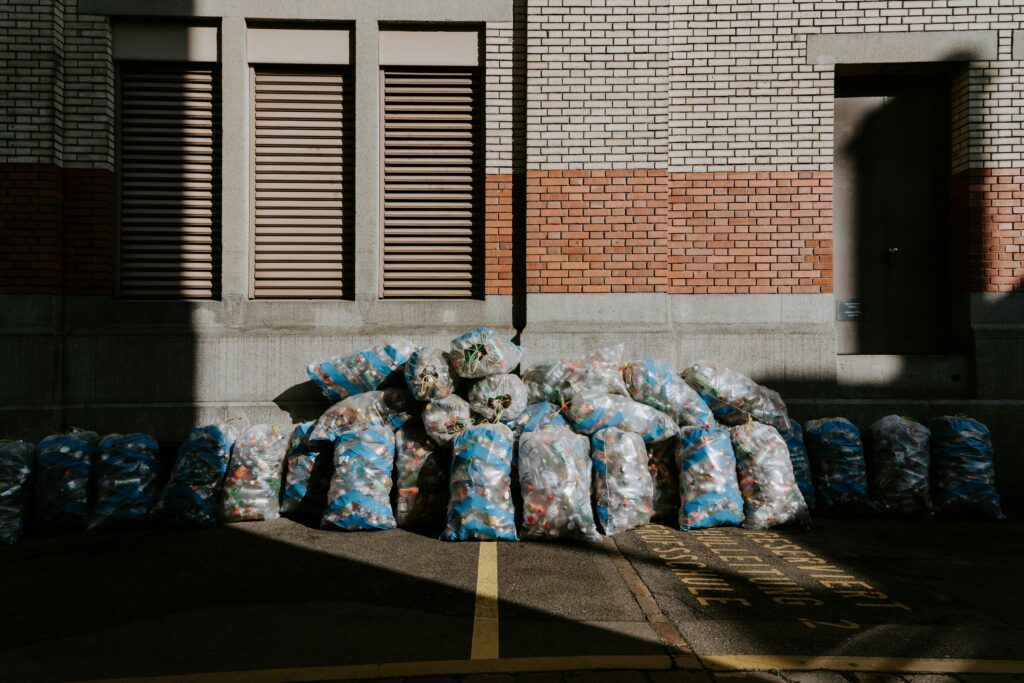
Let’s be real: tossing food scraps in the bin feels easy, but up to 30% of household waste is compostable. When you compost, you’re:
- Keeping trash out of landfills
- Creating rich, homemade fertilizer for plants
- Cutting your carbon footprint
- Helping your garden thrive without chemicals
Even if you don’t garden, compost can be gifted or dropped off at local community plots. Win-win.
🧺 What You Can (and Can’t) Compost
✅ Green Light—Go Ahead and Compost These:
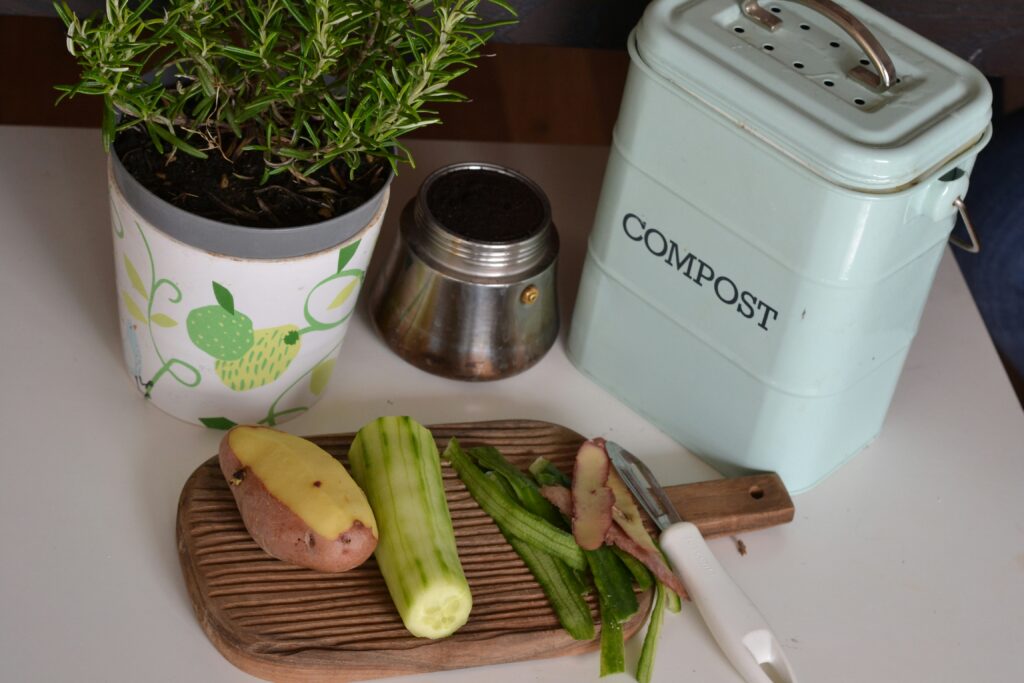
Fruit and veggie scraps
Coffee grounds and filters
Eggshells
Tea bags (non-synthetic)
Paper towels (unbleached)
Dried leaves, grass clippings
🚫 Hard Pass—Skip These for Now:
Meat, dairy, or greasy food
Glossy paper
Diseased plants
Pet waste
They’ll mess with your compost ecosystem or attract pests. Keep it simple and stick to the basics when you’re starting out.
🧰 Composting Methods for Small Spaces
You don’t need a garden, just a system that suits your space and routine.
1. Indoor Compost Bin
Perfect for everyday kitchen scraps. Look for one with a charcoal filter to keep smells in check.
➡️ Tip: Empty it every few days into a larger bin, community compost drop-off, or shared garden.
2. Bokashi Composting
A fermentation process using special microbes. The best part? It handles meat and dairy, unlike other methods.
➡️ Great for apartments—fits neatly under the sink.
3. Worm Bin (Vermicomposting)
Red wiggler worms feast on your scraps and turn them into nutrient-packed castings.
➡️ It’s odour-free, compact, and ideal for balconies.
🪴 What to Do with Your Finished Compost
Once your compost is ready (it should look earthy, crumbly, and smell fresh), you can:
- Mix it into potting soil
- Top-dress indoor plants or garden beds
- Share it with your local garden community
It’s gold for gardeners—and you made it from scraps!
✅ Final Tips for Successful Composting
Stick to a 2:1 ratio of browns (dry materials like leaves) to greens (wet food scraps).
Turn it weekly or give it a shake to speed decomposition.
Don’t worry too much—composting is forgiving. Nature knows what it’s doing.
📦 Starter Tools That Actually Help
If you’re just getting started, here are some helpful tools:
A worm bin starter set if you want something a little fun and science-y
A kitchen compost caddy with a filter
A Bokashi kit (great for meat & cheese eaters)
Composting is part science, part habit, and totally rewarding. You’ll start noticing less waste, healthier plants, and maybe even a new connection to the natural cycle. Start small, stay curious, and give those scraps a second life.
What can I compost?
You can compost fruit and veggie scraps, coffee grounds, tea bags (non-synthetic), eggshells, paper towels, and yard waste. Avoid meat, dairy, and oily foods.
Do I need a backyard to compost?
Not at all! You can compost indoors using a kitchen caddy, Bokashi bin, or worm farm. Many cities also offer drop-off points for community composting.
What is vermicomposting?
Vermicomposting uses red wiggler worms to break down food scraps into nutrient-rich castings. It’s compact, odor-free, and perfect for small spaces.
How long does composting take?
Depending on your method, composting can take 2–6 months. Turning the pile and balancing greens and browns speeds up the process
What does finished compost look like?
It should be dark, crumbly, and smell earthy—not rotten. If it still smells sour or has visible scraps, it needs more time.