
Barefoot earthing, also known as grounding, is the practice of connecting your body directly to the Earth’s surface—by walking barefoot on grass, sand, or soil. This simple habit may help reduce inflammation, improve sleep, boost mood, and support immunity. In this guide, we’ll explore the science behind grounding, its top health benefits, and how to practice it safely—even in urban spaces.
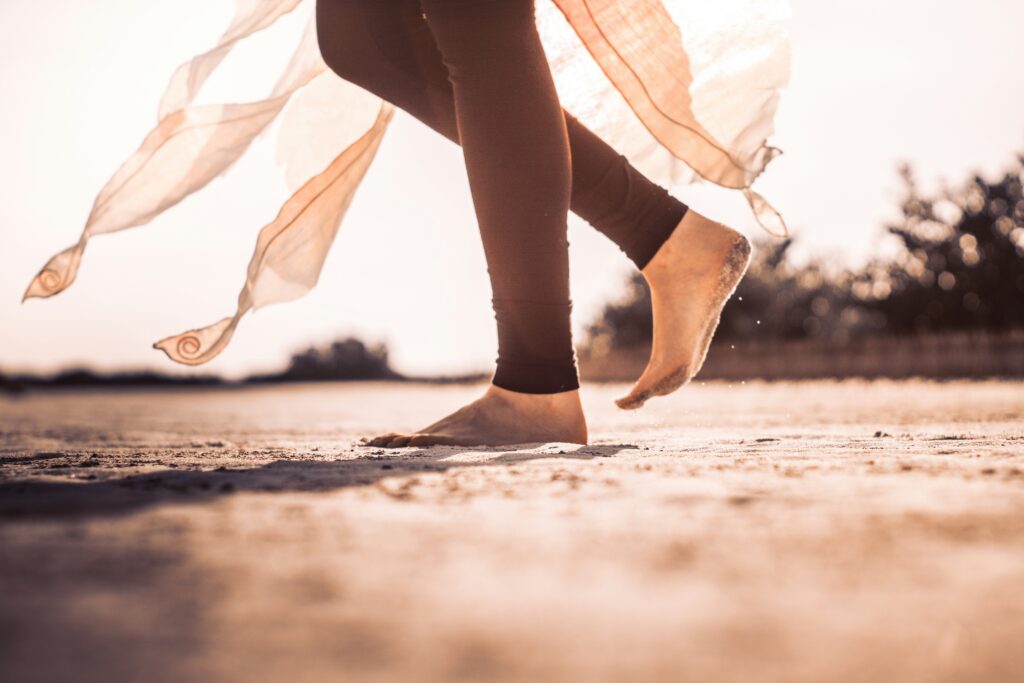
The Healing Power of Grounding: Why Walking Barefoot Boosts Your Health. Grounding, also known as earthing, is the practice of physically connecting to the Earth’s surface—and growing research shows it can have powerful effects on your health. From reduced inflammation to better sleep, let’s dig into how something as simple as going barefoot can rejuvenate your mind and body.
What Is Grounding (Earthing)?
Grounding involves direct skin contact with the earth—walking barefoot on grass, sand, or soil—or using conductive systems indoors that link you to the Earth’s energy. It’s based on the idea that the Earth carries a mild negative electric charge, and physical connection allows your body to absorb electrons that neutralize free radicals and reduce inflammation.
Top Health Benefits of Barefoot Grounding
- Reduces Inflammation Studies suggest grounding may decrease pro-inflammatory markers in the body, helping with chronic pain and autoimmune issues.
- Improves Sleep Quality People who practice grounding often report falling asleep faster and waking more refreshed, likely due to cortisol regulation.
- Boosts Mood and Lowers Stress Grounding reduces stress hormone levels and increases parasympathetic nervous activity (the “rest and digest” mode).
- Enhances Circulation Direct contact with the Earth can help improve blood flow, which supports cardiovascular health.
- Strengthens Immunity By lowering chronic inflammation and stress, grounding naturally supports immune function.
How to Practice Grounding outdoors & indoors
- Walk barefoot on natural surfaces like grass, soil, sand, or even unsealed concrete for 20–30 minutes a day.
- Lie down or sit on the earth during meditation or yoga.
- Garden with your bare hands—it’s grounding and deeply satisfying.
- Use earthing products like grounding mats or bed sheets if you’re stuck indoors.
Is barefoot earthing Safe for Everyone?
Yes, in most cases. Just be mindful of where you walk barefoot (avoid sharp debris, extremely hot surfaces, or areas treated with pesticides). If you’re immune-compromised, talk to your doctor before trying grounding on unfamiliar soil.
Final Thoughts
Grounding is one of the simplest, most natural wellness habits—and it’s totally free. Whether you’re dealing with chronic stress or just want to reconnect with the natural world, walking barefoot might be the reset your body and soul have been waiting for.
Is barefoot earthing scientifically proven?
Yes, emerging research suggests grounding may reduce inflammation, improve sleep, and regulate stress hormones by allowing the body to absorb electrons from the Earth’s surface. While more studies are needed, early results are promising.
Can I practice grounding on concrete or indoors?
You can ground on unsealed concrete, stone, or natural tile surfaces that are directly connected to the Earth. Indoors, you can use earthing mats, sheets, or patches that plug into a grounded outlet to simulate the effect.
How long should I ground each day?
Even 20–30 minutes a day of barefoot contact with natural surfaces can offer benefits. Longer sessions may deepen the effects, especially for stress relief and sleep support.
Should I clean my feet before or after grounding?
It’s a good idea to wash your feet after grounding, especially if you’ve walked on public or pesticide-treated surfaces. Before grounding, just make sure your feet are free of lotions or synthetic barriers that might block conductivity.
Is grounding safe for everyone?
Generally, yes. Just avoid hazardous surfaces (sharp debris, extreme heat, treated lawns). If you’re immune-compromised or have open wounds, consult a healthcare provider before grounding in unfamiliar soil.