Cold and flu season arrives with every sudden weather change, often leaving us vulnerable to viral infections. Runny noses, sore throats, fevers, and fatigue can disrupt daily life. While paracetamol and other common medicines are widely used for quick relief, Ayurveda and home remedies provide natural, preventive approaches that can be incorporated into your daily diet for long‑term resilience.
This blog blends modern medicine with Ayurvedic wisdom, offering practical tips, soulful reflections, and interactive prompts to help you not just survive but thrive during cold and flu season.
🌍 Why Cold & Flu Season Hits Hard During Weather Change
- Immune system stress: Sudden shifts from warm to cold or dry to damp climates weaken immunity.
- Viral spread indoors: Cooler weather keeps people inside, increasing transmission.
- Ayurvedic perspective: Imbalances in Kapha dosha (mucus, fluid balance) and Vata dosha (dryness, cold) often lead to colds and flu.
💊 Modern Medicine: Paracetamol and Common Cold Remedies
Why Paracetamol Is So Common
- Fever relief: Reduces high temperature quickly.
- Pain management: Eases headaches, sore throats, and body aches.
- Accessibility: Affordable and available worldwide.
Pros of Paracetamol
- Fast relief for fever and pain.
- Safe in recommended doses.
- Works well alongside other treatments.
Cons of Paracetamol
- Doesn’t cure the infection, only masks symptoms.
- Overuse can harm the liver.
- May lead to dependency for minor discomforts.
🌱 Ayurveda & Home Remedies for Cold and Flu
Ayurveda emphasizes prevention and natural healing. Here are powerful remedies:
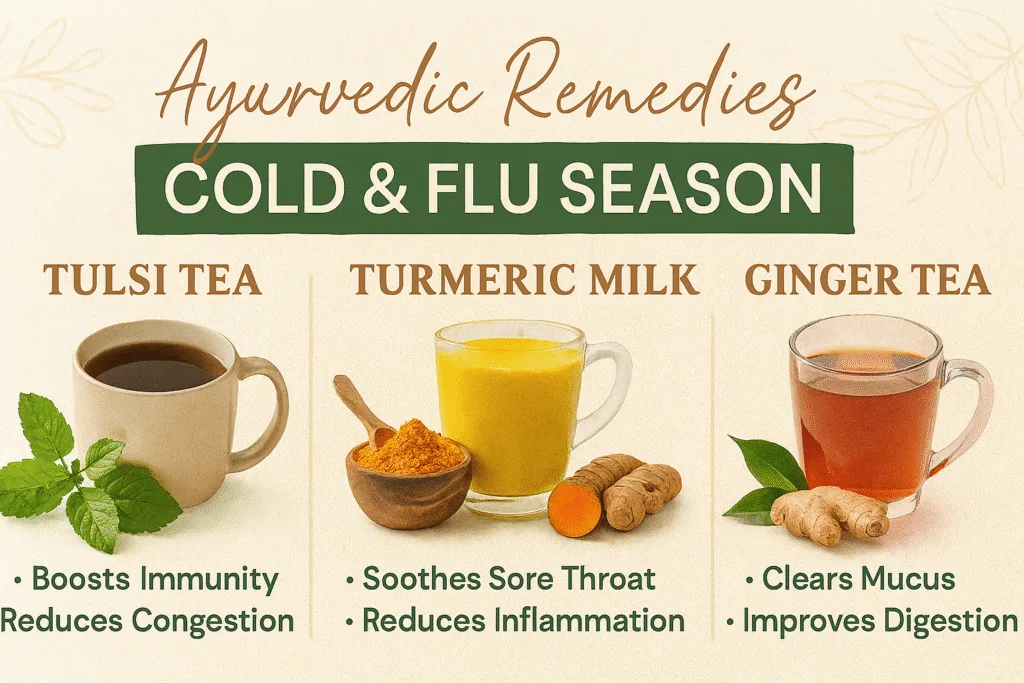
- Tulsi tea for cold and flu relief: Boosts immunity, reduces congestion.
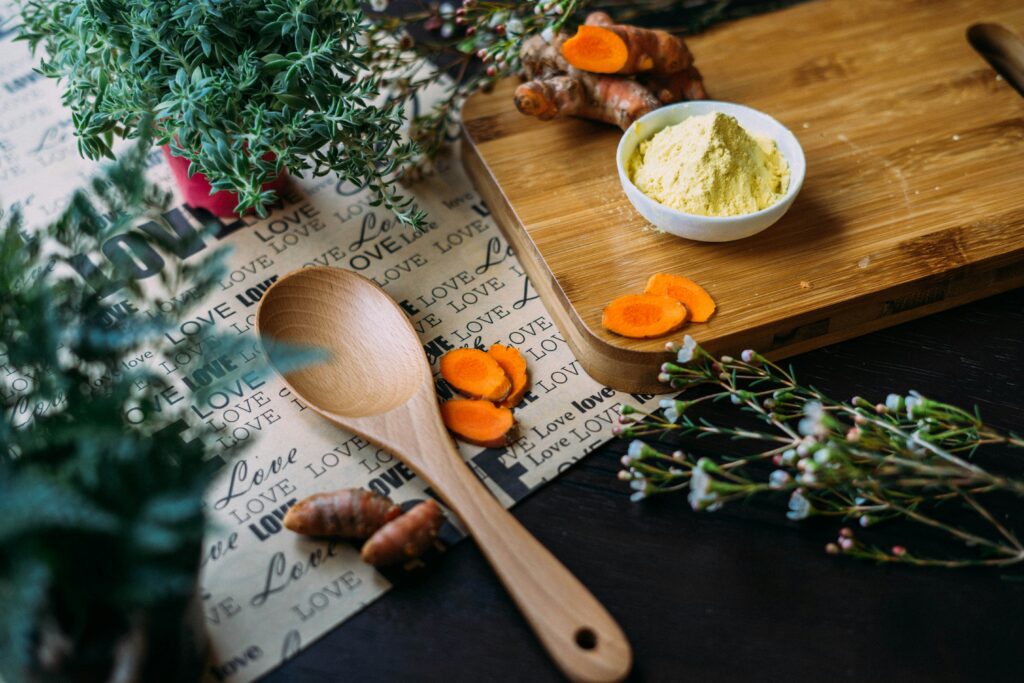
- Turmeric milk for sore throat and immunity: Anti‑inflammatory and antiviral properties.
- Ginger tea for cough and cold season: Improves digestion, clears mucus.
- Honey and cinnamon for flu prevention: Natural antimicrobial blend.
- Steam inhalation with eucalyptus oil: Clears nasal passages and relieves sinus pressure.
🥗 Daily Diet Adjustments During Weather Change
- Warm herbal teas: Tulsi, ginger, and turmeric teas keep immunity strong.
- Seasonal spices: Add black pepper, cumin, and cinnamon to soups and curries.
- Balanced meals: Avoid cold, heavy foods; prefer warm, light, and easily digestible meals.
- Hydration with hot water: Ayurveda recommends sipping hot water to flush toxins and balance doshas.
- Daily rituals: Nasya oil (medicated nasal drops) and gargling with warm salt water can prevent seasonal infections.
🧘 Lifestyle Practices for Immunity
- Yoga for cold and flu prevention: Gentle poses like Bhujangasana (cobra pose) and Setu Bandhasana (bridge pose).
- Pranayama breathing exercises: Anulom Vilom (alternate nostril breathing) balances doshas and clears sinuses.
- Adequate sleep: Rest is the body’s natural healer.
- Stress management: Meditation reduces cortisol, which weakens immunity.
🔄 Integrating Ayurveda and Modern Medicine
The best approach is integration:
- Use paracetamol for acute relief when fever or pain is overwhelming.
- Support recovery with Ayurvedic teas, spices, and rituals.
- Build long‑term resilience through diet, yoga, and lifestyle changes.
🌟 Conclusion: Moving from Panic to Presence
Cold and flu season doesn’t have to overwhelm you. Paracetamol offers quick relief, but combining it with Ayurvedic home remedies ensures holistic healing and prevention. By adjusting your daily diet during weather changes, you can strengthen immunity naturally and reduce dependency on synthetic medicines.
Check out
How to grow Tulsi, its requirements, and care tips for your own herbal supply.
Explore turmeric planting, soil needs, and care guide to cultivate this golden spice at home.
Learn ginger growing tips, planting time, and care essentials to keep fresh roots handy.
What causes cold and flu during weather change?
Cold and flu are often triggered by sudden climate shifts that weaken immunity. Viruses spread more easily when people stay indoors during cooler weather, and Ayurveda explains this as imbalances in Kapha and Vata doshas.
Is paracetamol safe for treating cold and flu?
Paracetamol is commonly used to reduce fever and body aches. It’s safe in recommended doses but should not be overused, as excessive intake can harm the liver. It treats symptoms but not the root cause of infection.
What are the best Ayurvedic remedies for cold and flu?
Tulsi tea, turmeric milk, ginger tea, honey with cinnamon, and steam inhalation with eucalyptus oil are highly effective Ayurvedic remedies. They boost immunity, reduce congestion, and support faster recovery.
How can I adjust my diet during cold and flu season?
Incorporate warm herbal teas, seasonal spices like black pepper and cumin, and light, easily digestible meals. Avoid cold or heavy foods. Ayurveda also recommends sipping hot water and using Nasya oil for prevention.
Can Ayurveda and modern medicine be used together?
Yes. Paracetamol can provide quick relief for fever and pain, while Ayurvedic remedies strengthen immunity and address root imbalances. Integrating both ensures holistic healing and long‑term resilience.
What lifestyle practices help prevent cold and flu?
Yoga poses, pranayama breathing exercises, adequate sleep, and stress management through meditation all help strengthen immunity and reduce vulnerability during seasonal changes.