
If you’ve ever stood in the garden center staring at fertilizer labels, wondering what “P₂O₅” means or why your plants aren’t blooming, this guide is for you. Phosphorus and phosphate may sound interchangeable, but understanding their differences is key to healthy soil, vibrant plants, and sustainable gardening.
🌱 What Is Phosphorus?
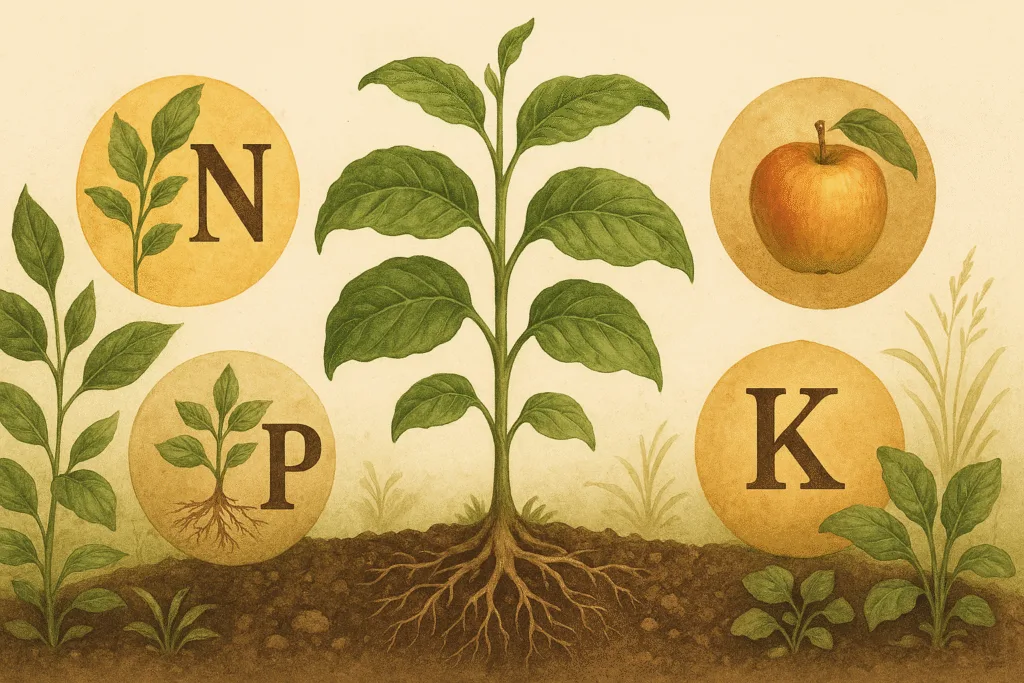
Phosphorus is one of the three main nutrients plants need—alongside nitrogen and potassium. It’s the quiet worker underground, helping plants:
- Grow strong roots
- Produce flowers and fruits
- Transfer energy
- Build DNA and seeds
Without enough phosphorus, plants may look healthy but won’t bloom or fruit well. You might see dark green or purplish leaves, weak roots, or slow growth.
🧪 What Are Phosphates?
Here’s the key: plants don’t absorb raw phosphorus. They take in phosphates, which are phosphorus combined with oxygen. These are the forms found in soil and fertilizers that plants can actually use.
So when you buy fertilizer, the phosphorus content is usually listed as P₂O₅—a type of phosphate. It’s not a typo or a fancy chemical trick. It’s just how gardeners and farmers measure usable phosphorus.
Phosphorus vs Phosphate: What’s the Difference?
- Phosphorus is a raw mineral—an essential nutrient that helps plants build DNA, transfer energy, and grow strong roots.
- Phosphate is the form of phosphorus that plants can actually absorb. It’s phosphorus bonded with oxygen (PO₄³⁻), and it’s what you’ll find in fertilizers.
Think of it like baking: phosphorus is the flour, phosphate is the bread. Fertilizer labels use P₂O₅ to indicate phosphate content—the usable version of phosphorus.
🧮 Quick Conversion Tip
If you want to know how much actual phosphorus is in a fertilizer:
- Multiply P₂O₅ by 0.44 to get elemental phosphorus
- Multiply elemental phosphorus by 2.29 to get P₂O₅
But don’t worry—most gardeners don’t need to do the math. Just look for the middle number in the fertilizer label (like 10-20-10). That “20” is your phosphate content.
How Phosphorus Supports Plant Growth
Phosphorus is a bit of a homebody. Once it’s in the soil, it doesn’t move around much. That’s why it’s so important to place phosphorus-rich materials near the root zone—where plants can actually reach them.
But here’s the catch: phosphorus doesn’t stay in its pure form. It quickly bonds with other elements like oxygen, calcium, or iron, turning into phosphates. These are the forms your plants can absorb—but only if the soil conditions are right.
Phosphorus plays a quiet but powerful role in plant development:
- Encourages deep root growth
- Supports flower and fruit production
- Fuels energy transfer within cells
- Builds DNA and seed structures
Without enough phosphorus, plants may look green but fail to bloom or fruit. You might notice purplish leaves, weak roots, or slow growth.
🧡 Soil Matters
- Acidic soils (low pH) help release phosphorus from rock phosphate and bone meal.
- Alkaline soils (high pH) can lock phosphorus up, making it harder for plants to use.
- Too much phosphorus can block other nutrients like zinc and iron, so balance is key.
🌿 Sustainable Gardening Tips
- Test your soil before adding phosphorus. You might already have enough!
- Use compost to improve soil structure and microbial activity—this helps unlock phosphorus naturally.
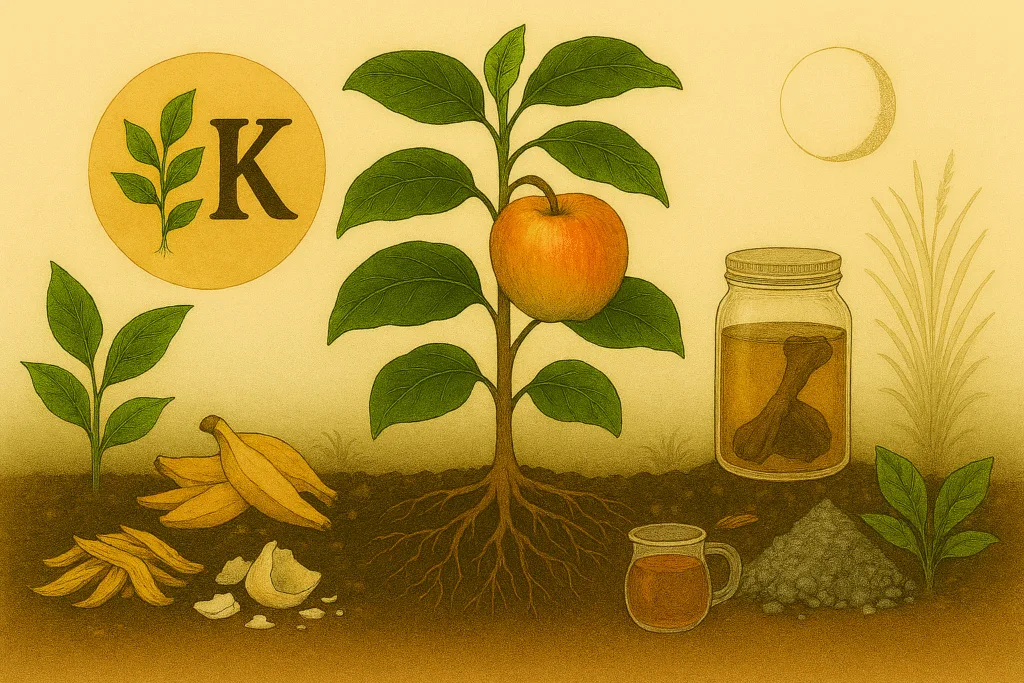
- Layer amendments like bone meal or banana peels near the roots, not just on top.
- Avoid over-fertilizing—excess phosphorus can wash into waterways and harm aquatic life.
🧪 Why Fertilizers Use Phosphate (P₂O₅)
Plants can’t absorb elemental phosphorus directly. They need phosphate compounds, which are more stable and bioavailable. That’s why fertilizer labels list P₂O₅—a form of phosphate oxide.
🔢 Quick Conversion Tip
- Multiply P₂O₅ by 0.44 to get elemental phosphorus
- Multiply elemental phosphorus by 2.29 to get P₂O₅
But don’t worry—just check the middle number on fertilizer labels (like 10-20-10). That “20” is your phosphate content.
🌒 Final Thoughts: Nourish Roots, Nourish Resilience
Phosphorus and phosphate may sound similar, but knowing the difference helps you garden with intention. Whether you’re composting, planting, or choosing fertilizer, this knowledge empowers you to nourish your soil, protect the planet, and grow with wisdom.
For a ritual touch, apply phosphorus-rich materials during the waning moon, when plants focus energy downward into their roots. It’s a beautiful time to support grounded, resilient growth.
What’s the difference between phosphorus and phosphate?
Phosphorus is the raw mineral (like flour), and phosphate is the form plants can actually absorb (like bread). Fertilizers list phosphate (P₂O₅), which is the usable version of phosphorus.
Why do fertilizer labels say P₂O₅ instead of just phosphorus?
It’s an old farming tradition. P₂O₅ stands for phosphate oxide—the form plants use. It helps gardeners know how much usable phosphorus is in the mix.
Can I use natural sources instead of synthetic phosphate fertilizers?
Yes! Bone meal, rock phosphate, banana peels, and compost are great sustainable options. They release phosphorus slowly and improve soil health over time.
How do I know if my soil needs phosphorus?
Look for signs like poor root growth, delayed flowering, or purplish leaves. For best results, do a soil test—it tells you exactly what your garden needs.
Can I add too much phosphorus?
Yes. Overdoing it can block other nutrients like zinc and iron, and harm nearby waterways. Always follow label instructions or use compost-based sources for a gentler approach.
What’s the best time to apply phosphorus?
During planting or early growth stages—especially when roots are forming. For a ritual touch, apply during the waning moon to support deep rooting and inner growth.