Weeds. The word alone conjures images of unruly growth, something to be pulled, tamed, or discarded. But what if we’ve misunderstood them all along?
Many of these so-called weeds are actually very helpful. They feed bees, butterflies, and hummingbirds. They also provide healing for our bodies and spirits. This blog celebrates wild plants that do many things. They feed pollinators, heal people, and connect us to the land.
Let’s walk through the garden gate and meet the weeds with wings.
🌼 Why Pollinator Plants Matter More Than Ever
Pollinators are the unsung heroes of our ecosystems. Bees, butterflies, moths, beetles, and hummingbirds pollinate over 75% of flowering plants and about 35% of global food crops. Without them, biodiversity collapses—and so does our food supply.
But pollinators are in trouble. Habitat loss, pesticides, monoculture farming, and climate change have led to alarming declines. One of the simplest ways to help? Grow plants that feed them—and feed us too.
Medicinal herbs and wild edibles often bloom with nectar-rich flowers, making them ideal for pollinator gardens. They’re not just beautiful—they’re functional, ancestral, and deeply healing.
🌿 10 Healing Plants That Pollinators Love
Let’s meet ten plants that offer both medicine and nectar. These are easy to grow, often already present in your yard or nearby trails, and beloved by pollinators.
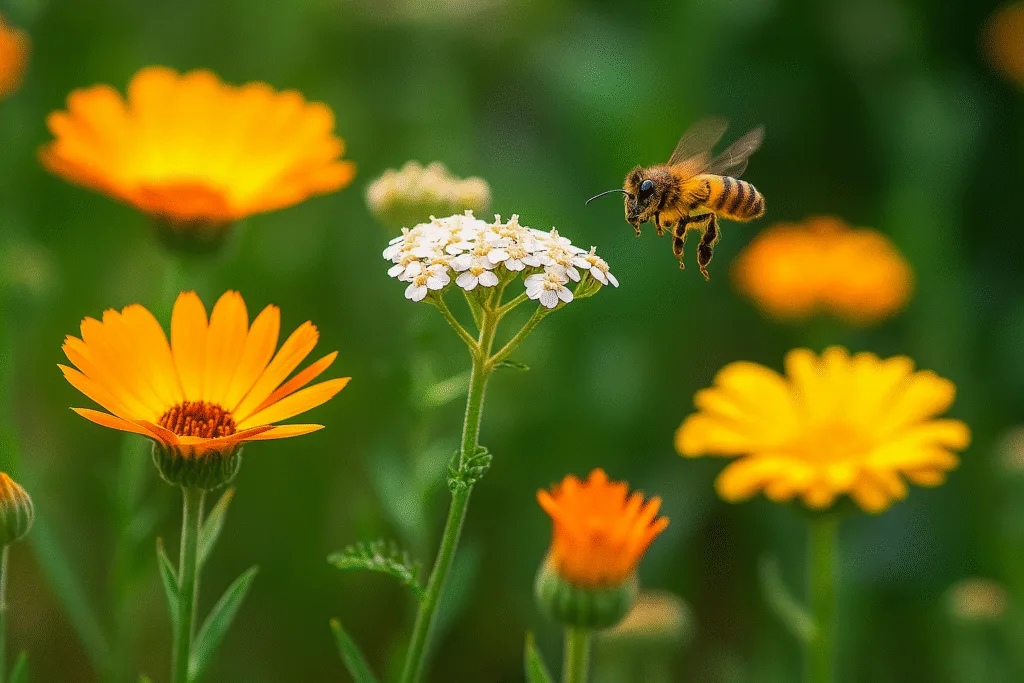
1. Yarrow (Achillea millefolium)
- Pollinator appeal: Flat-topped white or pink clusters attract bees, butterflies, and beetles.
- Healing powers: Antiseptic, anti-inflammatory, and styptic (stops bleeding).
- Use it for: Cuts, bruises, fevers, and digestive support.
- Cultural note: Named after Achilles, who used it to treat soldiers’ wounds.
Yarrow is a warrior’s herb. It grows in tough places—roadsides, rocky soil, forgotten fields—and reminds us that healing doesn’t need perfection. It needs presence.
2. Red Clover (Trifolium pratense)
- Pollinator appeal: Bumblebees especially love its sweet nectar.
- Healing powers: Supports hormonal balance, detoxification, and respiratory health.
- Use it for: Teas, tinctures, and skin washes.
- Cultural note: Used in folk medicine across Europe and North America.
Red clover is a gentle cleanser. Its pink blossoms are soft, but its roots go deep—symbolizing resilience and renewal.
3. Calendula (Calendula officinalis)
- Pollinator appeal: Golden-orange blooms attract bees and hoverflies.
- Healing powers: Skin-soothing, antifungal, and anti-inflammatory.
- Use it for: Salves, oils, teas, and edible flower garnishes.
- Cultural note: Sacred in many traditions, used in Day of the Dead altars and Ayurvedic medicine.
Calendula is sunshine in plant form. It blooms for months, offering beauty and balm in equal measure.
4. Self-Heal (Prunella vulgaris)
- Pollinator appeal: Tiny purple flowers feed bees and butterflies.
- Healing powers: Immune support, wound healing, and antiviral properties.
- Use it for: Teas, tinctures, and poultices.
- Cultural note: Known as “heal-all” in European folk medicine.
Self-heal is a quiet teacher. It grows low to the ground, often unnoticed, yet carries deep wisdom about regeneration and self-care.
5. Bee Balm (Monarda spp.)
- Pollinator appeal: Hummingbirds, bees, and butterflies flock to its vibrant blooms.
- Healing powers: Antimicrobial, digestive aid, and respiratory support.
- Use it for: Steam inhalations, teas, infused honeys.
- Cultural note: Used by Indigenous peoples for colds and flu.
Bee balm is wild and flamboyant. Its firework-like flowers burst with color and scent, inviting joy and breath.
6. Mint (Mentha spp.)
- Pollinator appeal: Bees love its fragrant blooms.
- Healing powers: Digestive aid, cooling, and uplifting.
- Use it for: Teas, syrups, infused waters, and culinary dishes.
- Cultural note: Revered in Greek and Roman traditions for hospitality and healing.
Mint is a boundary-breaker. It spreads fast, fills gaps, and brings freshness wherever it goes.
7. Echinacea (Echinacea purpurea)
- Pollinator appeal: Bold, daisy-like flowers are irresistible to bees and butterflies.
- Healing powers: Immune booster, anti-inflammatory, and antiviral.
- Use it for: Tinctures, teas, and immune tonics.
- Cultural note: Used by Native American tribes for infections and wounds.
Echinacea is a guardian. Its spiky center and radiant petals remind us that strength and beauty can coexist.
8. Lavender (Lavandula spp.)
- Pollinator appeal: Bees and butterflies adore its scent and color.
- Healing powers: Calming, antiseptic, and sleep-enhancing.
- Use it for: Oils, sachets, teas, and bath blends.
- Cultural note: Used in ancient Egypt, Rome, and medieval Europe.
Lavender is a lullaby in bloom. It soothes the nervous system and invites rest.
9. Borage (Borago officinalis)
- Pollinator appeal: Star-shaped blue flowers are bee favorites.
- Healing powers: Anti-inflammatory, adrenal support, and skin healing.
- Use it for: Teas, salads, and infused oils.
- Cultural note: Known as the “herb of courage” in Celtic lore.
Borage is bold. It grows fast, blooms bright, and reminds us to face life with heart.
10. Thyme (Thymus vulgaris)
- Pollinator appeal: Tiny flowers feed bees and hoverflies.
- Healing powers: Antimicrobial, respiratory support, and digestive aid.
- Use it for: Teas, steams, culinary dishes, and syrups.
- Cultural note: Symbol of bravery in ancient Greece.
Thyme is tiny but mighty. It teaches us that strength can be subtle, and healing can be aromatic.
🌻 How to Create a Pollinator Patch That Heals
You don’t need acres of land to support pollinators and grow medicine. A balcony, backyard, or even a windowsill can become a sanctuary.
🛠️ Tips for Building Your Healing Garden:
- Let it grow wild: Allow a corner of your space to go untamed. Observe what grows naturally.
- Mix native and medicinal plants: Combine local wildflowers with herbs like mint, thyme, and calendula.
- Avoid chemicals: Skip pesticides and herbicides. They harm pollinators and disrupt soil health.
- Provide water: A shallow dish with pebbles gives bees a safe place to drink.
- Stagger bloom times: Plant species that flower in spring, summer, and fall to feed pollinators year-round.
🍯 Recipe: Calendula & Mint Cooling Tea
This tea is perfect for hot days, anxious minds, and tired bodies.
Ingredients:
- 1 tbsp dried calendula petals
- 1 tbsp fresh mint leaves
- 2 cups hot water
- Optional: honey or lemon
Instructions:
- Steep herbs in hot water for 10 minutes.
- Strain and sweeten if desired.
- Sip slowly and feel the buzz of summer.
🧘♀️ Ritual: The Pollinator Pause
Next time you see a bee on a flower, pause. Watch its movements. Listen to the hum. Feel your breath slow down.
This simple act of attention is a ritual. It helps us reconnect with nature’s rhythms and the healing power of being present.
🌍 CHECK OUT: More Wild Wisdom
This post is part of the Wild Wisdom Series.
- Roots and Resilience: Forgotten Edible Plants from Ancestral Traditions
- The Wild Apothecary: 7 Backyard Plants for Everyday Ailments
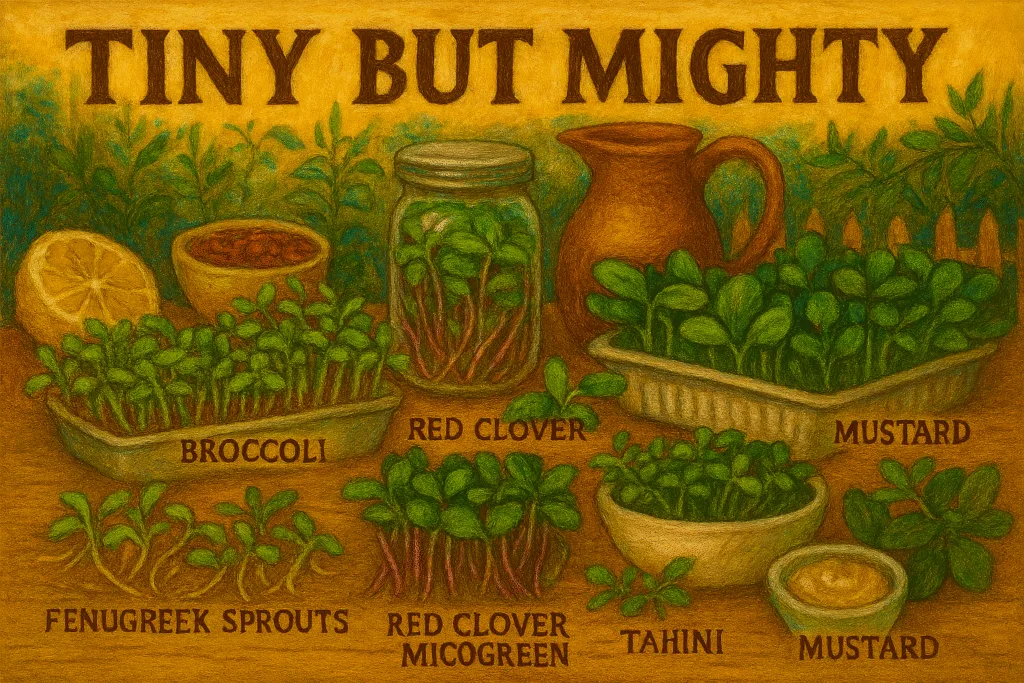
- Tiny but Mighty: Microgreens and Wild Sprouts You Can Grow Indoors
- Forest Floor Finds: Edible and Medicinal Plants of the Woods
🌼 Wild Wisdom Garden Quiz
1. Which plant is known for attracting bumblebees and supporting hormonal balance and detoxification?
2. Which healing herb has golden-orange blooms and is used for skin-soothing and antifungal remedies?
3. Which plant is called ‘heal-all’ and offers immune support and wound healing?
4. Which herb is revered for its calming scent and sleep-enhancing properties?
5. Which plant is known as the ‘herb of courage’ and produces star-shaped blue flowers?
💬 What’s Growing Near You?
Next time you’re out walking, take a moment to look down. Snap a photo. Ask a question. Share your discoveries using tag @TheGreenSutra.
Let’s build a living map of plant knowledge—rooted in place, spirit, and community.
Why are pollinator-friendly plants important?
Pollinator-friendly plants provide nectar and pollen for bees, butterflies, and other beneficial insects. These pollinators are essential for biodiversity and food production. By planting healing herbs that also attract pollinators, you support both ecological health and personal wellness.
Can I grow these plants in a small garden or balcony?
Yes! Many of these plants—like mint, calendula, and thyme—thrive in containers and small spaces. Even a few pots on a windowsill can be a small haven for pollinators. They can also provide herbal remedies.
Are these plants native to my region?
Some plants like yarrow, red clover, and self-heal are native or naturalized in many parts of the world. Others, like calendula and lavender, are cultivated but widely adapted. Always check with local gardening resources or native plant societies to ensure ecological compatibility.
How do I use these plants medicinally?
Each plant has unique properties:
Bee Balm: Use in steam inhalations for colds. Always research proper preparation methods and consult a qualified herbalist or healthcare provider before use.
Yarrow: Use in poultices or teas for wounds and inflammation.
Calendula: Infuse in oil for skin salves.
Mint: Brew as tea for digestion and cooling.
Are these plants safe for children and pets?
Many are gentle and safe, like calendula and mint. However, some herbs (like echinacea or thyme) may have contraindications or dosage considerations. Always supervise use around children and check for pet toxicity—especially with cats and dogs.
How can I attract more pollinators to my garden?
Plant a variety of nectar-rich flowers.
Avoid pesticides and herbicides.
Provide water sources (like shallow dishes with pebbles).
Let some areas grow wild to offer shelter and nesting spots.
Can I forage these plants in the wild?
Yes, but forage responsibly:
Avoid areas treated with chemicals or near roadsides.
Identify plants with certainty.
Harvest only where it’s legal and safe.
Take only what you need—never overharvest.
What’s a good beginner plant to start with?
Calendula and mint are great beginner-friendly herbs. They’re easy to grow, versatile in use, and loved by pollinators. Plus, they offer quick rewards—blooms, scent, and healing benefits.
How do I create a pollinator-friendly healing garden?
Start small:
Add diversity over time with native wildflowers and seasonal bloomers.
Choose 3–5 herbs from the blog.
Plant in sunny spots or containers.
Observe which pollinators visit.